SHELF RELIANCEAbout usEmergency
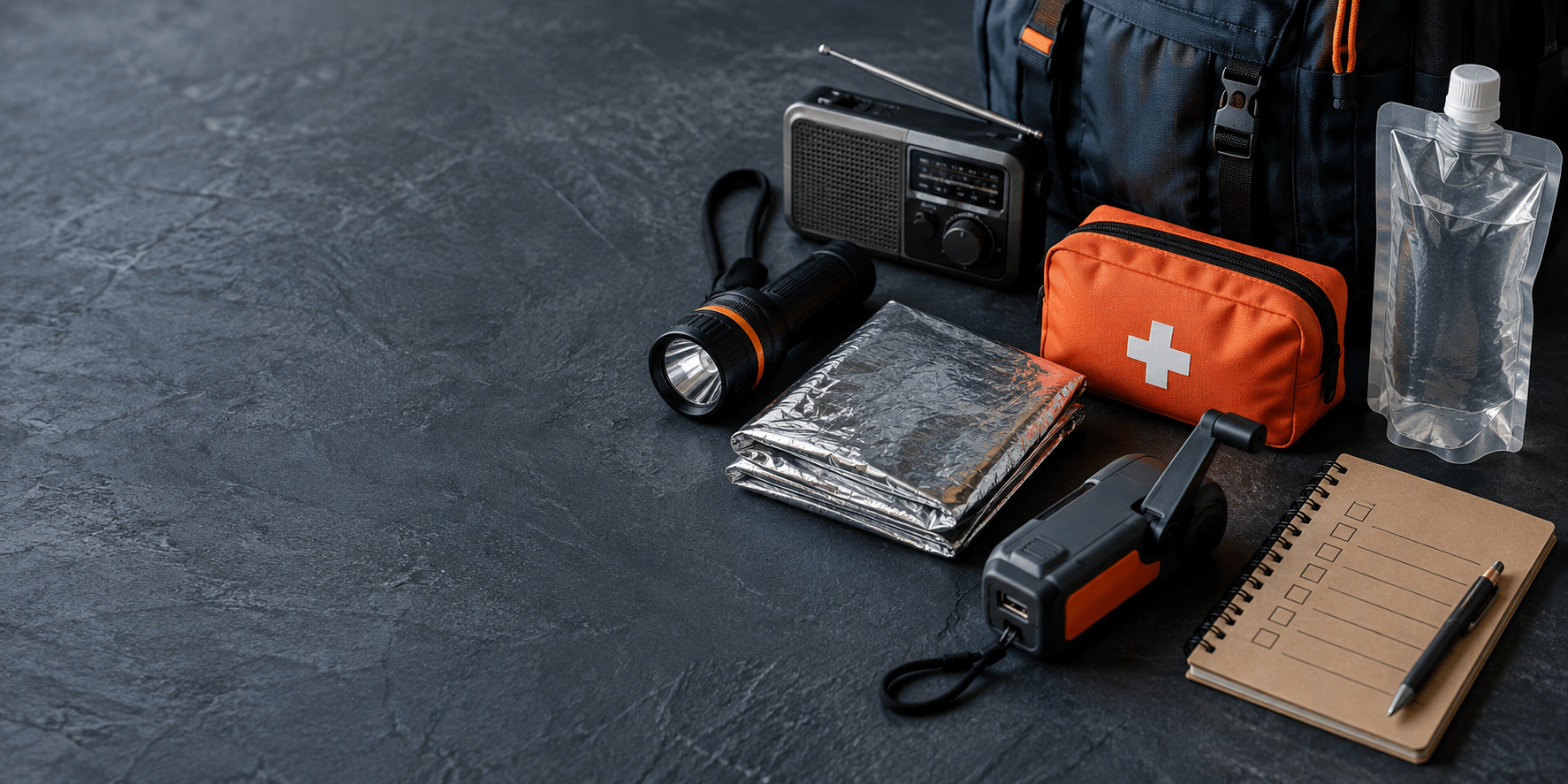
An organised emergency kit with radio, torch, blanket, first aid pouch, charger and checklist
Practical, calm, ready

The useful kit.
None of the panic.

A considered list of supplies for power cuts, severe weather and the first 72 hours of an emergency.

P2

Plan

Emergency contacts & meeting points

Download PDF

Keep your emergency contacts and meeting points together on one printable sheet. Fill it in with the people and places your household may need if you become separated or cannot use your phone, then keep a paper copy somewhere everyone can find it.

Readiness Sheet P2: Emergency contacts & meeting points

Tap any underlined word on the sheet to jump to it.

Swipe left or right for the next sheet. Pinch with two fingers to zoom in.

Tips
Good preparedness is layered. Start with water, food, light, warmth and a way to receive information. P1Plan for your worst day. Keep a few no-effort options by the bed: small bottles of water, a head torch and hand gel. P1No prize for pushing on. Feeling worse? Switch to the easier option straight away. P1Texts get through. When the phone lines are busy, a short text often gets through when a call won't. P2Pick an out-of-area contact. A relative who lives elsewhere can pass messages between everyone. P2Set an ICE contact. Add an emergency contact and Medical ID to everyone's phone lock screen. P2Keep Emergency Alerts on. Check they're switched on in everyone's phone settings. P3Agree a family code word. Schools usually only hand children to people they've been told about. A code word helps. P4Message in a Bottle. A free Lions Club pot for your fridge that paramedics know to look for. P5Pets need a bag too. Three days of food, their medicines, and a recent photo of you together. P6Where, not what. Write down where your documents are kept, never the numbers on them. P7Start with four things. A rucksack, water, a torch and copies of your documents. Add the rest one or two at a time. P8Check twice a year. The weekends the clocks change are an easy reminder to check your kit. P9Find your stopcock. It's usually under the kitchen sink. Make sure everyone knows where it is. H1Label your shut-offs. A luggage tag on the stopcock, gas valve and main switch saves time when it matters. H1Never walk through flood water. Just 15cm of fast-flowing water can knock an adult off their feet. H2Floodline is free. Sign up for flood warnings on 0345 988 1188. H2A power cut means no heating. Most gas boilers need electricity, so plan another way to keep warm. H3Pick one warm room. If the heating fails, it's easier to keep one room warm than the whole house. H3Hot cars are dangerous. Never leave anyone, or a pet, in a parked car on a warm day. H4Quiet power. Power stations are silent and fume-free, so they're fine indoors. Keep them dry and don't leave them charging overnight. H53 litres a day. That's the minimum drinking water per person. 10 litres covers cooking and washing too. W1Filter, then treat. For the safest water, filter it first, then boil it or use tablets. W1Call 105. Free from any phone, 24 hours, to report a power cut or find out when it'll be fixed. L1Leave one light on. In a power cut, leave one light switched on so you know when the power's back. L1Top up your power banks. They slowly lose charge in a drawer. Charge them fully when bad weather is forecast. L2Fill a battery first. Phones charge badly straight from a solar panel. Charge a power bank, then the phone. L3Keep the fridge shut. A closed fridge stays cold for about 4 hours. A full freezer lasts about 48. F1Snap the fridge. Take a photo inside the fridge when the power goes, so you don't keep opening the door. F1Only store what you eat. Eat the oldest first and replace it, so nothing goes to waste. F2Use by or best before? Use by is about safety. Best before is about quality and is often fine after. F3Fresh greens from a jar. Sprouts grow in a few days with just seeds, water and a jar. Always cook them. F4Mostly no-cook. A week's food box full of food you can eat cold has you covered on a bad day. F5Practise a knot. Learn one knot well, like the bowline, until you can tie it without looking. T1